Ang Lab @ Penn State University College of Medicine
Assistant Professor, Department of Pathology | Scientific Director, Penn State Zebrafish Facility
Penn State College of Medicine
500 University Drive
Room C7850, Mail Code H059
Hershey, PA 17033
We are building our lab webpage. In the meantime, please visit https://angkc.com. Thank you for your patience
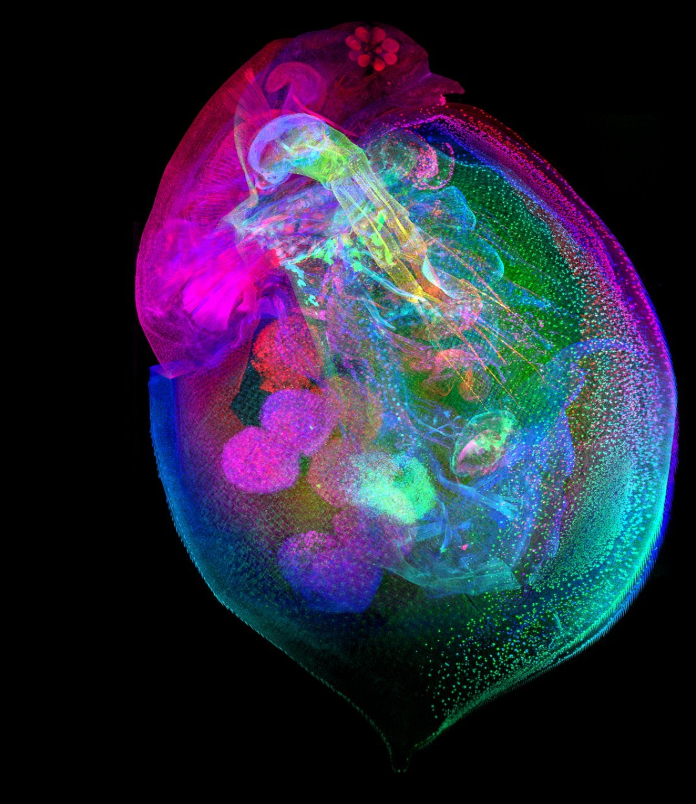
Our research sits at the intersection of human genetics, environmental science, and digital biology. We work across three interconnected programs: the genetics of skin pigmentation and its link to melanoma risk, precision toxicology and environmental biomonitoring using Daphnia as a sentinel organism, and the development of 3D microanatomical atlases as open, reusable infrastructure for quantitative biology. Our primary model organisms are zebrafish (Danio rerio) and the water flea (Daphnia magna), chosen for their genetic tractability, experimental versatility, and direct relevance to human health and ecosystem health.
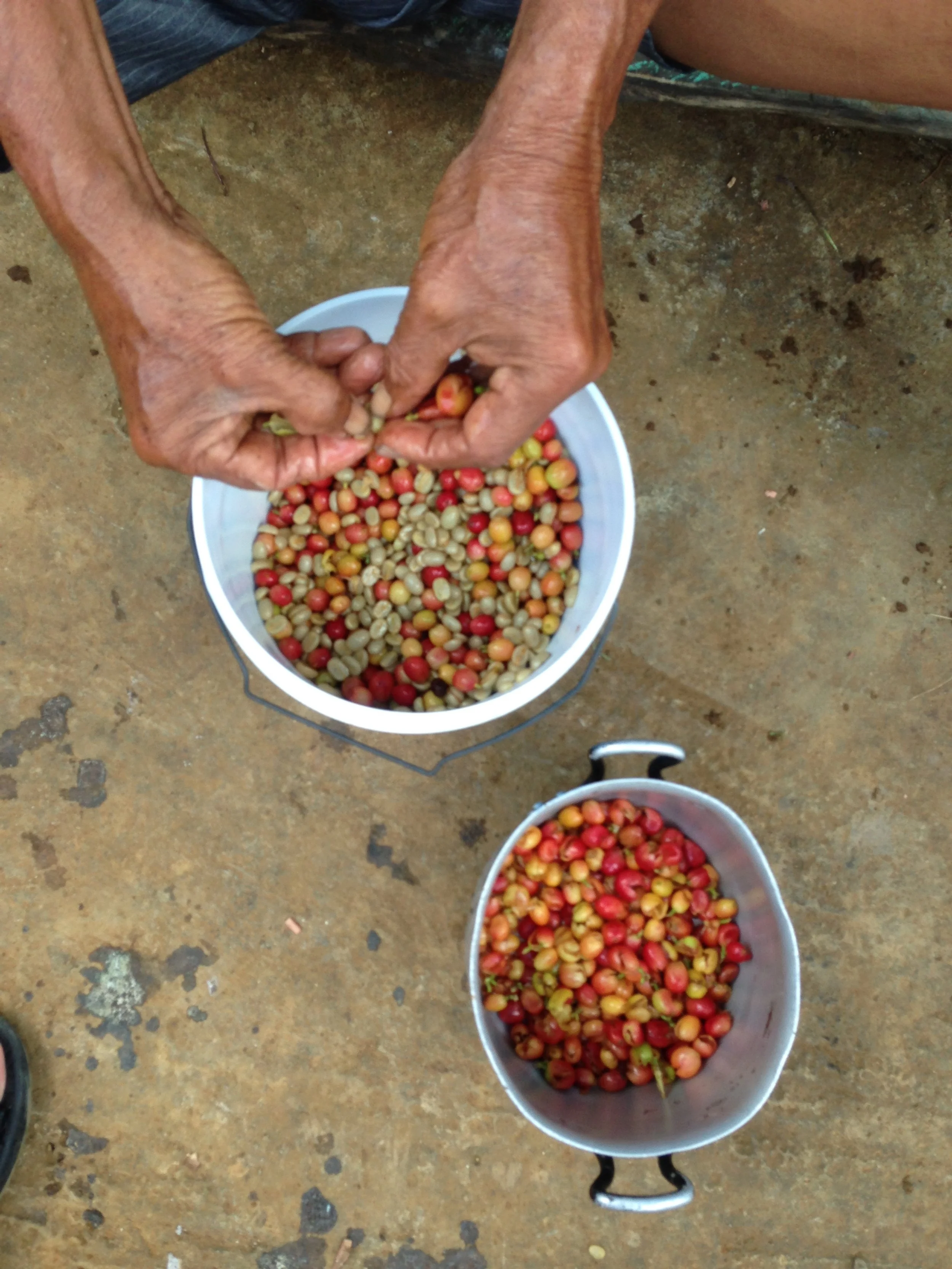
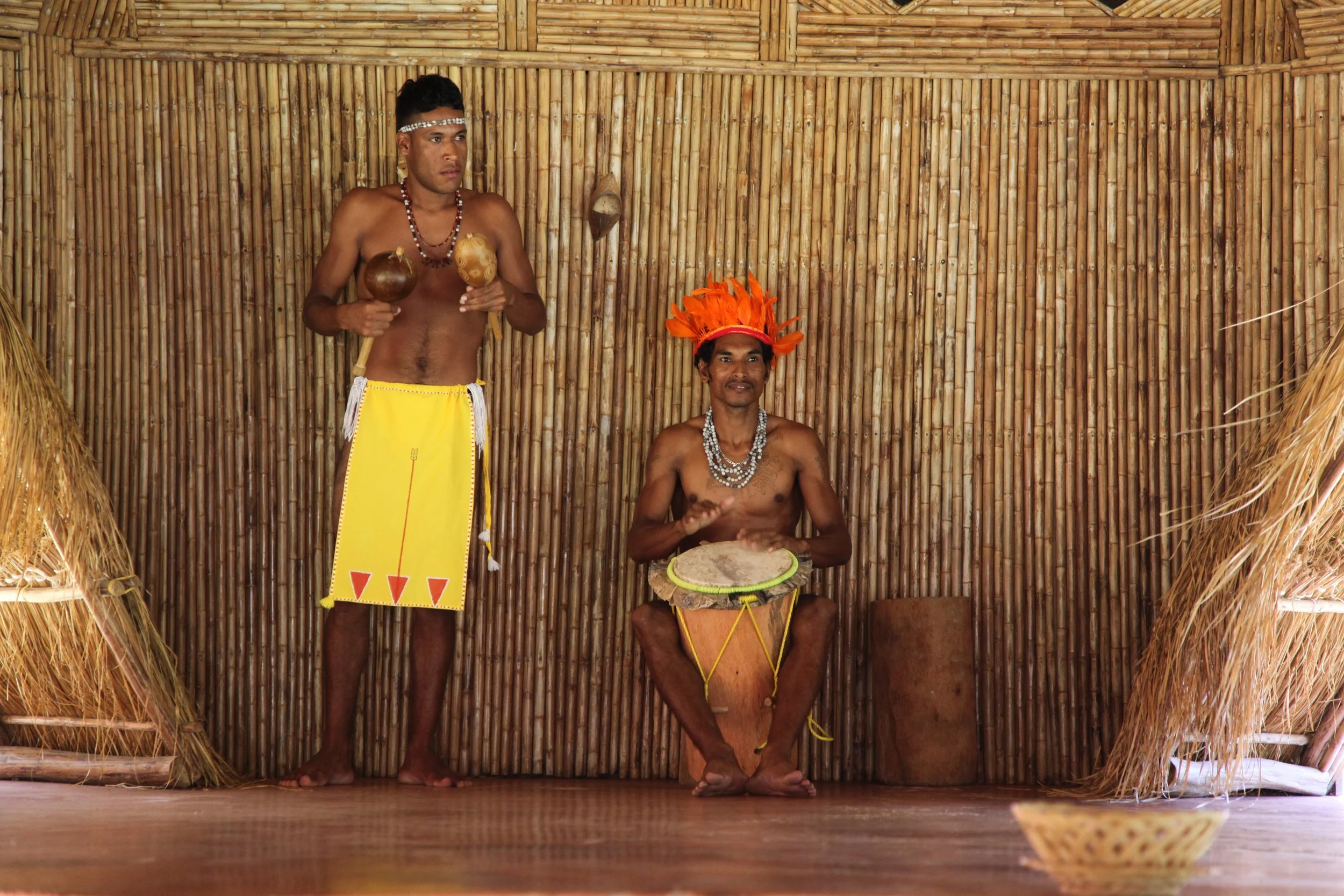
Skin pigmentation, population genomics, and melanoma Skin color is one of evolution’s most visible solutions to a universal problem: balancing UV protection against vitamin D synthesis across global latitudes. The genetic architecture of this balance remains poorly understood, in part because most genomic research has focused on European populations, the same populations that are approximately 30-fold more susceptible to cutaneous melanoma than East Asians or Native Americans. We study pigmentation genetics in populations where that protection is strongest and least studied. Our fieldwork has taken us to the villages of the Orang Asli, the indigenous peoples of Peninsular Malaysia, and to the Commonwealth of Dominica, where we work with the Kalinago, the only surviving indigenous Caribs of the Lesser Antilles. From over 1,500 biological samples collected across these communities, we are using whole-genome sequencing to identify population-specific variants at pigmentation loci and to map the molecular pathways conferring natural resistance to UV-induced melanocyte transformation. Our long-term goal is to translate these findings into ancestry-informed tools for melanoma risk stratification and prevention. We functionally validate candidate genes in zebrafish, leveraging larval optical transparency and CRISPR-based editing to interrogate pigmentation pathways in vivo. This work is part of the GenomeAsia 100K Consortium, an international effort to sequence 100,000 Asians at 30x coverage to lay the foundation for personalized medicine in underrepresented populations.
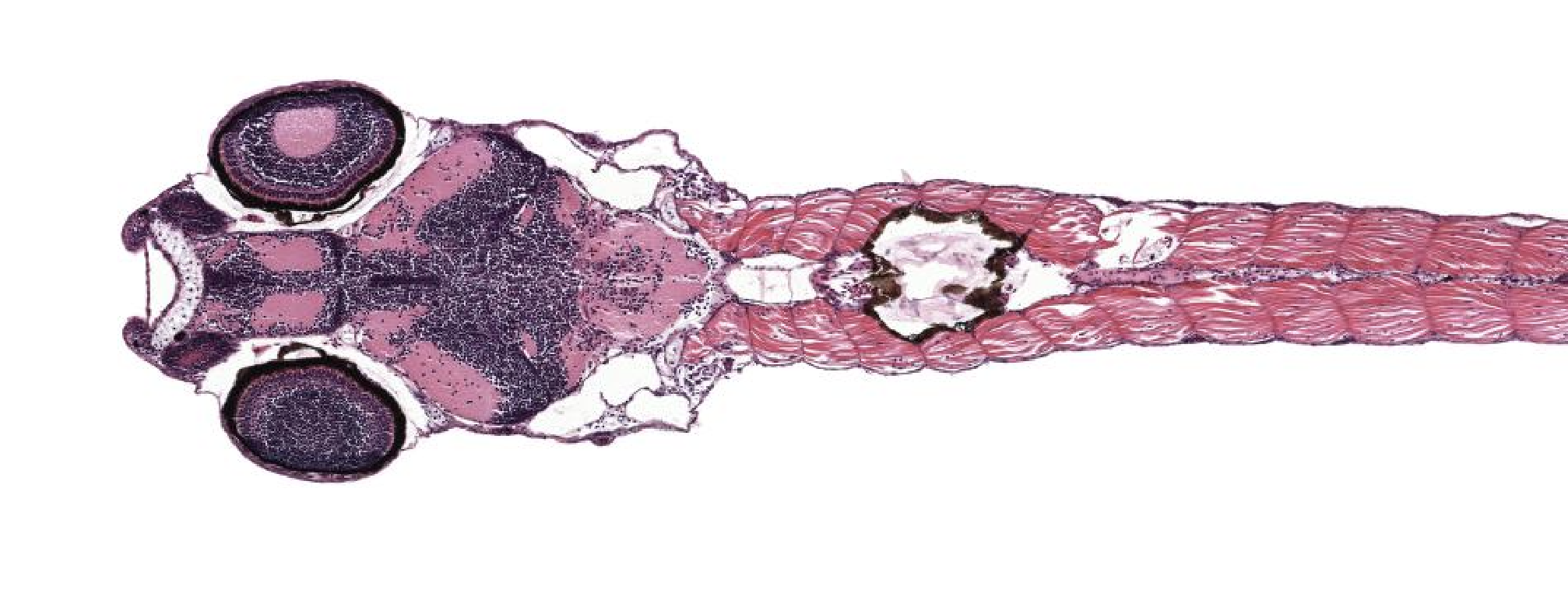
3D microanatomical atlasing and open digital biology Quantitative phenotyping, whether in ecotoxicology, genetics, or developmental biology, depends on knowing what normal looks like in three dimensions. We build the reference resources that make this possible. Daphnia lacked a comprehensive whole-organism atlas until we created one: an interactive, vectorized, annotated histology and microCT atlas now publicly accessible at daphnia.io. For zebrafish, we co-develop the Penn State Bio-Atlas (bioatlas.io), a multiscale, multimodal platform integrating microCT, histology, and spatial transcriptomics across developmental stages. We are actively developing computational pipelines for automated cell quantification in specific organs, and exploring integration with next-generation spatial transcriptomics platforms to create molecularly annotated 3D maps. We regard open atlas infrastructure as a form of scientific citizenship: resources built in our lab should accelerate work in labs worldwide. All datasets, tools, and protocols are made publicly available.
Precision toxicology and environmental biomonitoring During fieldwork in Southeast Asia and the Caribbean, a pattern was impossible to ignore: clean, uncontaminated water is scarce, and the organisms that depend on it are under pressure from chemical pollutants we are only beginning to characterize. This observation shaped our second research program. We use Daphnia, a small freshwater crustaceans that are keystone herbivores in aquatic ecosystems, as sentinels of environmental health. Daphnia are exquisitely sensitive to chemical perturbations, cyclically parthenogenetic (making clonal experimental designs possible), and increasingly well characterized at the genomic level. We investigate how environmental contaminants, including endocrine-disrupting compounds, microplastics, and heavy metals, affect gene expression, reproductive fitness, morphology, and population dynamics across genetically diverse clones. Our approach integrates whole-organism phenotyping with multi-omics data to connect population-level ecotoxicological responses to molecular mechanisms. The imaging backbone of this work is soft tissue microCT, a form of 3D histology that achieves isotropic voxel resolutions of 0.5 microns in 5mm specimens, enabling cell-level analysis across entire organisms without sectioning artifacts. This technology is applicable to tens of thousands of species in the millimeter size range, making it a broadly enabling platform for comparative toxicology and environmental monitoring.
Join us We are a collaborative and interdisciplinary group with expertise spanning field biology, molecular genetics, imaging, bioinformatics, and computational analysis. If you are interested in joining the lab as a graduate student, postdoctoral researcher, or undergraduate, please get in touch via the contact page.
news
| Jan 15, 2016 | A simple inline announcement with Markdown emoji! |
|---|---|
| Nov 07, 2015 | A long announcement with details |
| Oct 22, 2015 | A simple inline announcement. |
latest posts
| Mar 26, 2025 | a post with plotly.js |
|---|---|
| Dec 04, 2024 | a post with image galleries |
| May 01, 2024 | a post with tabs |